Personalized Pet Products: Data-Driven and Subscription Trends



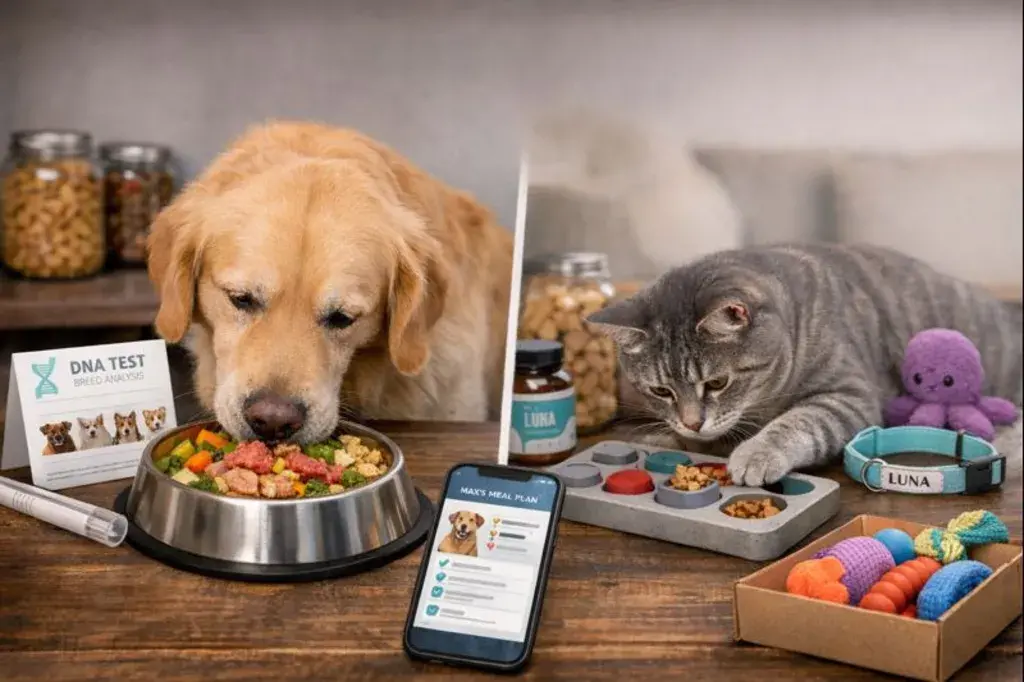
Your dog won’t eat the same kibble your neighbor’s dog loves. Your cat ignores toys that other felines find irresistible. Every pet owner knows this truth: our animals are individuals with unique preferences, dietary needs, and personalities. Yet for decades, the pet industry offered one-size-fits-all solutions that rarely acknowledged these differences.
That’s changing rapidly. Today’s pet parents expect products tailored to their furry family members, and brands are responding with data-driven personalization strategies that transform how we shop for our pets. From custom nutrition plans to curated subscription boxes, the pet industry is experiencing a revolution driven by technology, consumer insights, and a deepening understanding of what pets truly need.
The relationship between humans and their pets has fundamentally shifted. We no longer see pets as animals that simply need food and shelter. They’re family members deserving of thoughtful care, quality nutrition, and products that suit their individual requirements.
This evolution reflects spending habits. Pet owners now invest significantly in premium products, willing to pay more for items specifically designed for their pet’s breed, age, size, and health conditions. The days of grabbing any bag of dog food or random toy from the shelf are fading.
Modern pet parents research ingredients, read reviews, and seek recommendations just as carefully as they would for their own health products. They want transparency about what goes into their pet’s body and assurance that products align with their values around sustainability and ethical sourcing.
Understanding what drives purchasing decisions requires deep insight into pet owner behavior. Successful brands collect data through onboarding questionnaires, purchase history analysis, and feedback mechanisms that reveal patterns in how people care for their pets.
These insights uncover crucial information. A large breed puppy requires different nutrition than a senior small dog. Cats with sensitive stomachs need specialized formulas. Active outdoor dogs benefit from durable toys that sedentary indoor pets might ignore. Working with a specialized Amazon agency for pet products trusted by top companies helps brands leverage these insights to optimize their product offerings and reach the right customers with personalized solutions.
Data reveals life stage transitions too. When a pet moves from puppyhood to adulthood, or when health issues emerge, owners need different products. Predictive analytics help brands anticipate these needs before customers explicitly search for solutions.
Customization now extends across every category in pet care, fundamentally changing what’s possible in the market.
Fresh food delivery services create meal plans based on your pet’s specific profile. They consider breed characteristics, weight management goals, allergies, and even taste preferences reported by owners. Formulas adjust as pets age or health conditions change.
Some services incorporate DNA testing results to identify breed-specific nutritional requirements or potential health predispositions. This level of customization was unimaginable just five years ago.
Toys now come sized and designed for particular breeds and play styles. Aggressive chewers get reinforced options. Puzzle-loving dogs receive mentally stimulating toys. Personalized collars, bowls, and beds feature names and designs chosen by owners.
Health products have become equally targeted. Custom supplement regimens address specific deficiencies or support particular conditions. Grooming products match coat types and skin sensitivities.
Subscription services have revolutionized how pet owners discover and purchase products. These services deliver curated selections to doorsteps monthly, combining convenience with the excitement of receiving new items.
What makes pet subscription boxes particularly successful is their ability to learn and adapt. Initial questionnaires capture pet profiles, then the service refines selections based on what items pets love and which go unused. This feedback loop continuously improves personalization.
The subscription model benefits both parties. Pet owners enjoy hassle-free delivery of items their pets will likely enjoy. Brands gain predictable recurring revenue and valuable data about product performance across different pet profiles.
Seasonal adjustments keep boxes fresh. Summer might bring cooling mats and water toys. Winter includes cozy blankets and indoor entertainment options. This dynamic approach maintains engagement far better than static offerings.
The most successful brands in this space excel at gathering and applying customer information. They don’t just collect data; they use it to genuinely improve the pet owner experience.
Behavioral data reveals purchasing patterns. When does a typical customer reorder food? When do they shop for seasonal items? These patterns enable proactive outreach with timely reminders and relevant recommendations.
Smart brands also track engagement metrics. Which emails get opened? Which products get returned? What questions appear frequently in customer service interactions? Every data point contributes to a fuller picture of customer needs and preferences.
Beyond personalization, several key trends are driving growth in pet ecommerce.
Mobile shopping dominates how busy pet parents make purchases. Apps offer one-tap reordering, easy access to pet profiles, and notifications about sales on favorite products. The shopping experience must work seamlessly on smartphones or customers will abandon their carts.
Sustainability concerns influence purchasing decisions increasingly. Pet owners want eco-friendly packaging, ethically sourced ingredients, and transparency about environmental impact. Brands that communicate their sustainability efforts clearly gain competitive advantages.
Artificial intelligence enhances recommendation engines, chatbots answer questions instantly, and smart algorithms suggest products based on browsing behavior and purchase history. Technology makes shopping more intuitive and personalized without requiring additional effort from customers.
The shift toward personalization represents more than a passing trend. It reflects a fundamental change in how we understand and care for our pets. Generic products served an earlier era when convenience mattered most. Today’s pet owners prioritize quality, relevance, and individualized care.
For brands entering or expanding in this space, success requires commitment to understanding customers deeply. Collect meaningful data. Build systems that translate insights into better products. Create experiences that acknowledge each pet’s uniqueness.
The opportunity is substantial. Pet owners will continue seeking products that truly serve their animals’ specific needs. Those who deliver on that promise, using data intelligently and subscription models strategically, will thrive in this evolving market.
Start by examining your current customer data. What patterns emerge? Where could personalization improve the experience? Then take steps toward implementing solutions that put individual pets at the center of your product strategy. The future of pet care is personal, and that future is already here.
In Case You Missed It!

Copyright © 2025. All rights reserved by Petsnurturing.